The history of Tudor
107 watches for sale · 27 dealers · $1,599 to $16,995 · typically $5,380
Explore the enduring legacy of Tudor watches, from their founding by Hans Wilsdorf to their technical innovations and prominent standing in the contemporary luxury market.
Tudor, a distinguished Swiss watchmaker, has carved a significant niche in the horological landscape, celebrated for its robust construction, distinctive designs, and exceptional value. Operating as a sister company to Rolex, Tudor has, particularly in recent decades, forged its own formidable identity.
Foundational History
The origins of Tudor trace back to 1926 when the trademark 'The Tudor' was registered by Veuve de Philippe Hüther on behalf of Hans Wilsdorf, the visionary founder of Rolex. Wilsdorf's ambition was to create a watch offering Rolex's renowned dependability and quality, but at a more accessible price point. He formally established Montres Tudor SA in Geneva, Switzerland, in 1946. Notably, some of the earliest Tudor watches were exclusively distributed in Australia in 1932. Pivotal moments in its early history include the adoption of the waterproof 'Oyster' case and the self-winding 'Prince' mechanism in the 1940s and 1950s, features previously exclusive to Rolex. The brand's commitment to robust 'tool watches' was cemented when Tudor Oyster Prince models were supplied to the British North Greenland Expedition from 1952 to 1954, enduring extreme conditions. The introduction of its first diving watch, the Oyster Prince Submariner, in 1954, further solidified its reputation for professional-grade timepieces.
Horological Significance
For many years, Tudor relied on high-quality, third-party movements, but a significant shift occurred in 2015 with the introduction of its first in-house 'Manufacture Calibre', the MT5621, debuted in the North Flag model. This marked a new era of technical independence and innovation. Tudor's in-house movements, such as the MT5602 and MT5402, are celebrated for their impressive specifications. They typically feature a substantial 70-hour power reserve, often referred to as 'weekend-proof', allowing the watch to be set aside from Friday evening until Monday morning without needing to be rewound. These movements are COSC-certified (Official Swiss Chronometer Testing Institute), guaranteeing excellent chronometric precision. Further enhancing their robustness and accuracy, they incorporate a variable inertia balance with a non-magnetic silicon balance spring, secured by a sturdy traversing bridge. Some of Tudor's latest movements, including variants of the MT5602, also achieve METAS Master Chronometer certification, signifying superior resistance to magnetic fields (up to 15,000 gauss) and even stricter daily accuracy standards of 0/+5 seconds. This commitment to advanced movement technology underscores Tudor's dedication to performance and value.
Three Defining Collections/Models
Black Bay
The Black Bay collection, launched in 2012 as part of a major brand relaunch, is arguably Tudor's most iconic and successful line. It masterfully blends vintage aesthetics, drawing inspiration from Tudor's early Submariner dive watches of the 1950s to 1970s, with modern watchmaking. Key design elements include the distinctive 'snowflake' hands, first seen on Tudor watches supplied to the French Marine Nationale in the 1970s, and often a prominent 'big crown' reminiscent of the 1958 reference 7924. The Black Bay's success was pivotal in re-establishing Tudor's independent identity and appeal to a new generation of collectors. It received international acclaim, winning the 'Revival' prize at the Grand Prix d'Horlogerie de Genève in 2013.
Pelagos
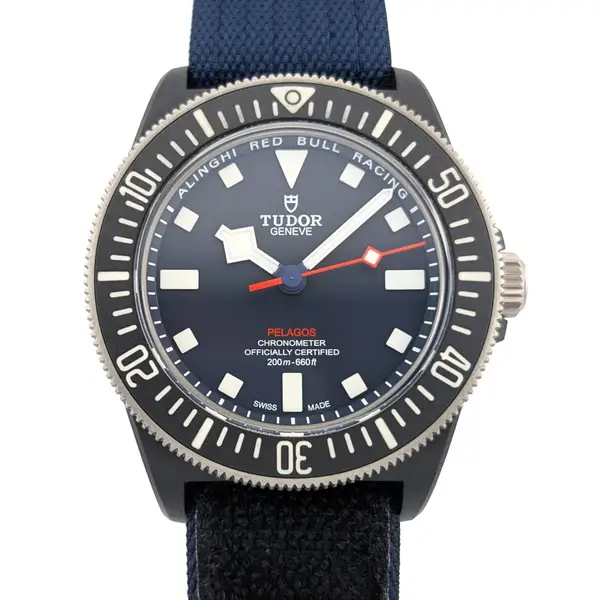
Introduced concurrently with the Black Bay in 2012, the Pelagos represents Tudor's dedication to a modern, professional-grade dive watch. It stands out for its lightweight titanium case and bracelet, making it the first titanium watch from the Rolex group. Designed for serious underwater exploration, it boasts an impressive 500-metre water resistance and a helium escape valve for saturation diving. The Pelagos prioritises function and robust engineering, appealing to those who value a true 'tool watch' aesthetic and performance. It was recognised with the 'Sports Watch' prize at the Grand Prix d'Horlogerie de Genève in 2015.
Ranger
The Ranger collection, reintroduced in 2014, pays homage to Tudor's heritage of rugged field watches. Its lineage is deeply connected to the Tudor Oyster Prince watches worn by the British North Greenland Expedition in the early 1950s, demonstrating its capability in challenging environments. The Ranger embodies a utilitarian aesthetic with a focus on legibility and durability, making it a reliable companion for adventurers.
Current Market Positioning
Tudor is firmly positioned within the entry-level luxury segment, offering an compelling value proposition in the Swiss watch industry. It provides the quality, craftsmanship, and heritage associated with its parent company, Rolex, but at a more accessible price point, making it an attractive 'gateway' into luxury watch collecting. Typical price ranges for popular models in Australia generally span from approximately AUD $6,000 to over AUD $11,000 for steel and two-tone variants, with some precious metal Black Bay models reaching up to AUD $56,900. Compared to peers such as Omega, Longines, and Oris, Tudor distinguishes itself by offering robust, technically advanced 'tool watches' with a strong vintage appeal, often incorporating in-house movements and certifications like COSC and METAS. While Rolex focuses on prestige and exclusivity, Tudor maintains a clear strategy of providing functional credibility and consistent value, a positioning that has seen it gain significant traction and appreciation among collectors in the secondary market.
Sources and references 39
- en.wikipedia.org
- tudorwatch.com
- the1916company.com
- watchesbytimepiece.com
- michaelspiers.co.uk
- tailoredtimepieces.com
- rare.gallery
- esquire.com
- tudorwatch.com
- watchesbytimepiece.com
- timeandtidewatches.com
- cotswoldtime.com
- teddybaldassarre.com
- wilsonandsonjewelers.com
- monochrome-watches.com
- tudorwatch.com
- calibercorner.com
- watchgecko.com
- zaeger.com.au
- chrono24.com.au
- the1916company.com
- oracleoftime.com
- theluxuryplaybook.com
- tudorwatch.com
- cookeandkelvey.com
- investmentwatches.com
- tudorcollector.com
- revolutionwatch.com
- ladifference.ca
- teddybaldassarre.com
- theluxuryplaybook.com
- zadok.com
- suttonsandrobertsons.com
- primeswisstime.ch
- truefacet.com
- the-ethos.co
- gregoryjewellers.com.au
- ebay.com.au
- fratellowatches.com
Just listed
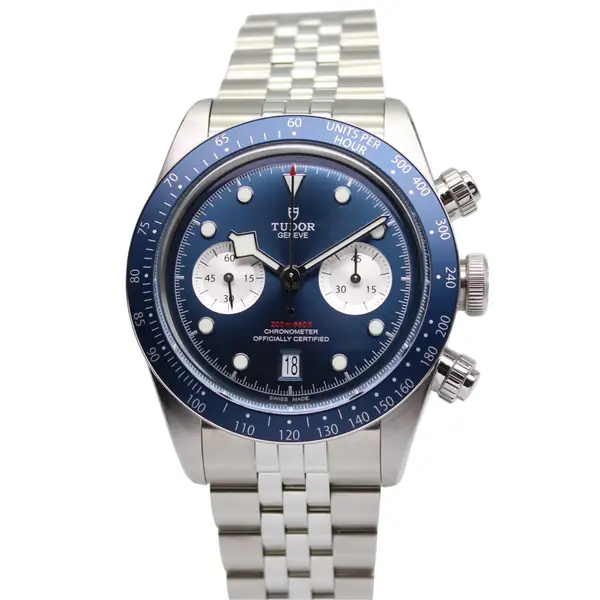
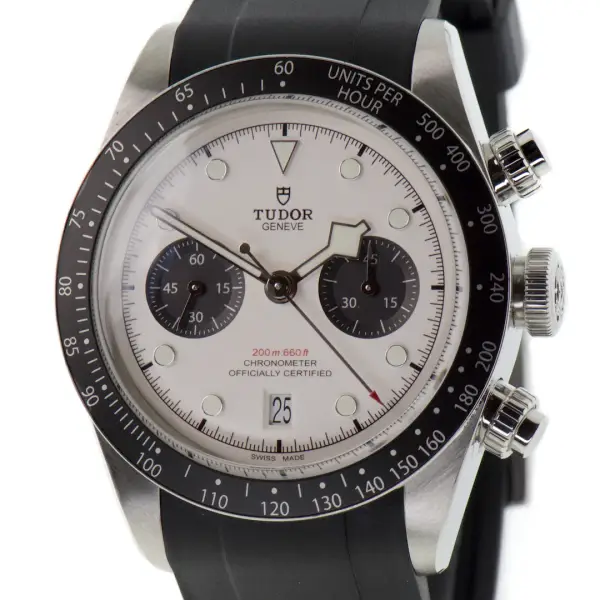
- Tudor Black Bay Chronograph 79360N · 41mm
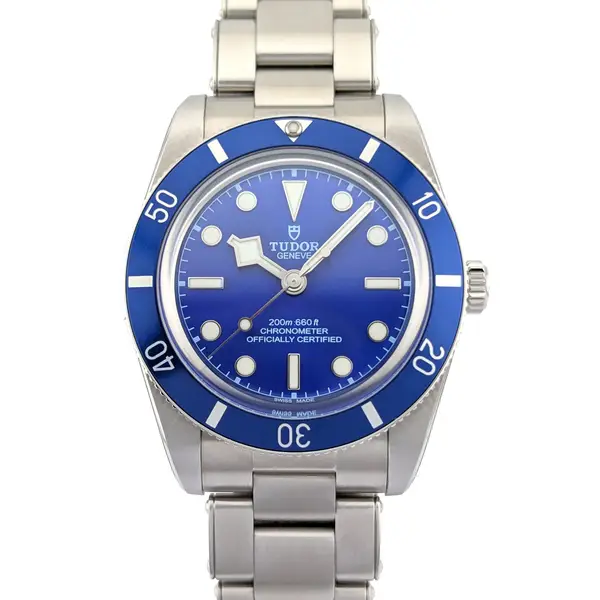
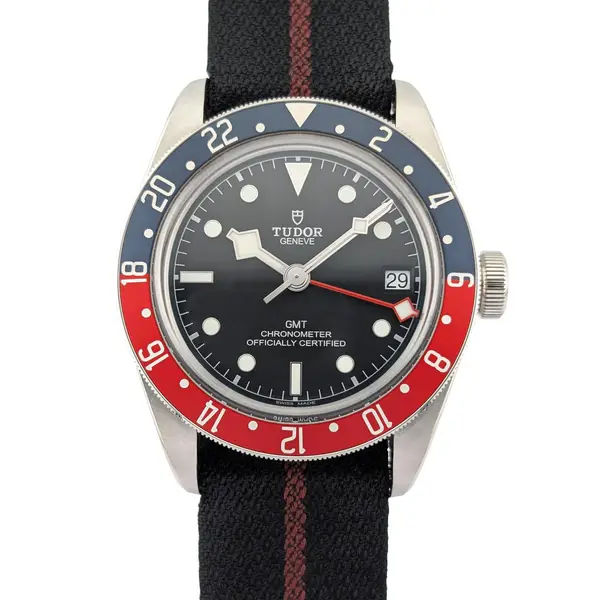
- Tudor Black Bay 54 M79000-0001 · 37mm
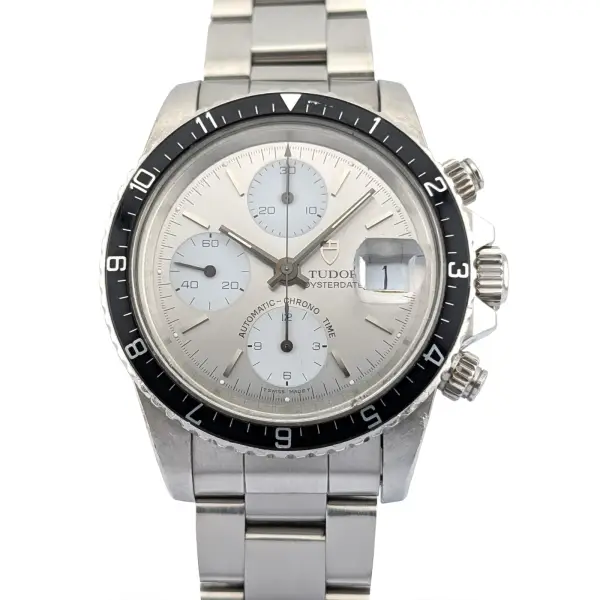
- Tudor Submariner Snowflake Date 9411/0 · 40mm
Hunting a specific Tudor reference? Ask us to find it
Questions?
We read every message.
About Watch Scout
We're not a dealer - you buy direct from the dealer. One search covers every Australian dealer we track.