The history of Sinn
4 watches for sale · 3 dealers · $2,995 to $3,800
Explore Sinn Spezialuhren, the German watchmaker renowned for its robust, function-driven timepieces and pioneering technical innovations.
Sinn Spezialuhren, based in Frankfurt am Main, Germany, has carved a distinctive niche in the horological landscape since its inception. Founded in 1961 by Helmut Sinn, a former World War II pilot and blind flight instructor, the company initially focused on manufacturing navigation cockpit clocks and pilot chronographs, selling them directly to customers. A pivotal moment arrived in 1985 when the Sinn 140 S chronograph journeyed into space aboard the D-1 Spacelab mission, demonstrating the reliability of automatic movements in zero gravity. In 1994, Helmut Sinn sold the company to Lothar Schmidt, a certified engineer, who ushered in an era of intensified technological innovation, renaming the company Sinn Spezialuhren GmbH.
Horological Significance
Sinn's reputation is built on its relentless pursuit of functional reliability through proprietary technologies. Key among these is Ar-Dehumidifying Technology, which prevents crystal fogging and slows the ageing of lubricating oils by maintaining a nearly anhydrous atmosphere within the watch case. This is achieved using a drying capsule filled with copper sulphate, Extreme Diffusion-Reducing (EDR) seals, and a protective gas filling. Another significant innovation is TEGIMENT Technology, a surface hardening process that makes stainless steel or titanium cases up to nine times more scratch-resistant than standard steel, without being a mere coating. Furthermore, DIAPAL Technology enables the escapement to operate without oil, mitigating the adverse effects of lubricant ageing on accuracy through the use of special, often diamond-coated, material pairings. Sinn also utilises German Submarine Steel for its dive watches, a material known for its exceptional saltwater corrosion resistance and anti-magnetic properties, identical to that used in German Navy submarines.
Defining Collections and Models
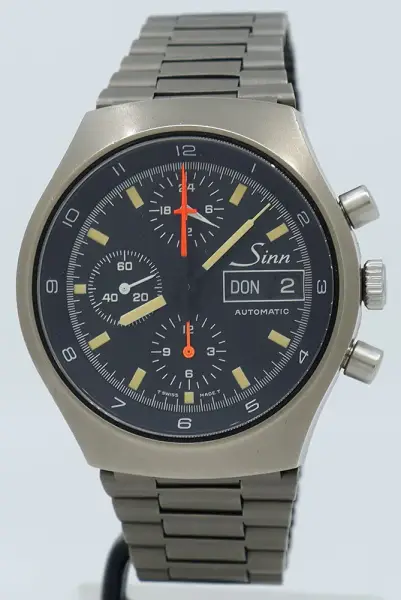
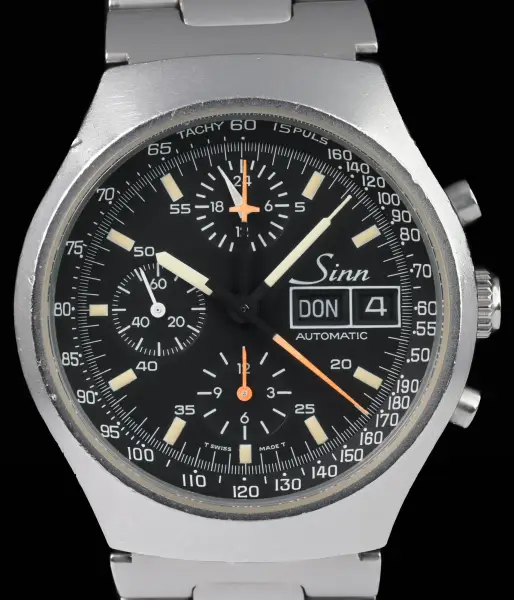
Sinn 103
The Sinn 103 series represents the brand's enduring pilot chronograph heritage. Originating in the late 1960s, these chronographs are celebrated for their uncompromising functionality and instrument-like design, directly reflecting Sinn's aviation roots. Many 103 models incorporate advanced Sinn technologies, making them highly regarded by collectors for their blend of classic aesthetics and modern robustness.
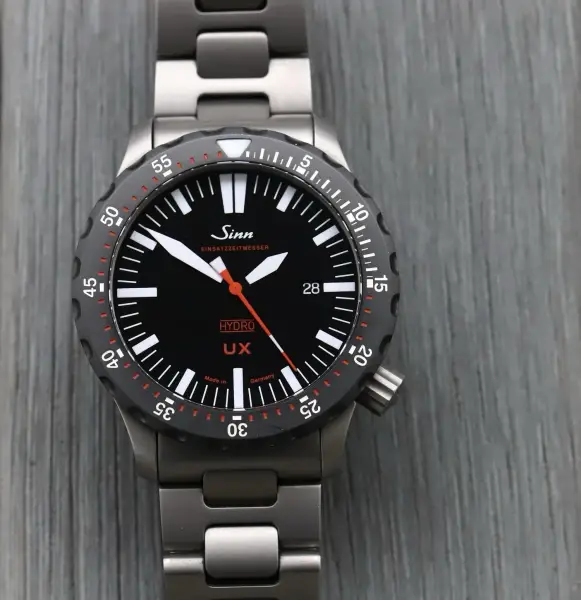
Sinn U1
The Sinn U1 dive watch collection is synonymous with extreme durability and professional-grade performance. Crafted from high-strength German Submarine Steel, U1 watches are engineered to withstand immense pressures and harsh marine environments, often featuring TEGIMENT technology and certified for water resistance up to 1,000 metres. They embody Sinn's philosophy of an over-engineered, purpose-built tool watch.
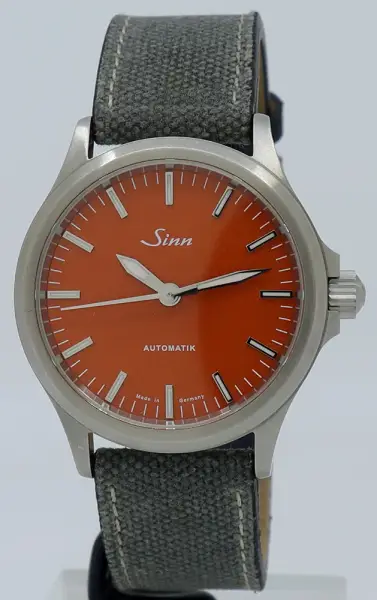
Sinn 556
The Sinn 556 is often lauded as an entry-level icon within the tool watch segment. This minimalist, time-only instrument watch is praised for its clean, highly legible dial, robust construction, and exceptional value. It distils Sinn's core principles of functionality and durability into an accessible yet highly respected timepiece, appealing to both seasoned enthusiasts and new buyers.
Current Market Positioning
Sinn occupies a distinctive position in the watch market, often categorised as offering high-quality, technically advanced tool watches rather than traditional high horology. They are widely considered to be in the entry-to-mid-range luxury segment, delivering exceptional value through their focus on engineering, durability, and proprietary technologies. In the Australian market, typical prices for Sinn watches generally range from approximately AUD 2,000 for models like the 556, extending upwards to AUD 9,000 or more for complex chronographs or highly specified dive watches. They are often compared favourably to other German brands such as Damasko and Hanhart, and are recognised for offering a level of engineering and functional integrity that often surpasses similarly priced peers, and even competes with more expensive offerings from larger, more established brands.
Sources and references 25
- firstclasswatches.co.uk
- en.wikipedia.org
- watchgecko.com
- horobox.com
- sinn.de
- cwsellors.co.uk
- wornandwound.com
- sinn.de
- watchtime.com
- watchbuys.com
- sinn.de
- insight-luxury.com
- revolutionwatch.com
- jurawatches.co.uk
- definewatches.com.au
- jurawatches.co.uk
- cwsellors.co.uk
- vintage-sinn-collector.com
- chrono24.fi
- strapcode.com
- definewatches.com.au
- watchgecko.com
- hodinkee.com
- youtube.com
- sinn.de
Questions?
We read every message.
About Watch Scout
We're not a dealer - you buy direct from the dealer. One search covers every Australian dealer we track.