The history of Rolex
1,068 watches for sale · 34 dealers · $2,900 to $606,900 · typically $21,995
Explore the rich history, technical innovations, and iconic timepieces that have cemented Rolex's position as a titan of luxury watchmaking.
For over a century, Rolex has stood as a formidable presence in the world of horology, a brand synonymous with precision, durability, and aspirational luxury. From its humble beginnings to its current global dominance, Rolex's journey is a compelling narrative of innovation and strategic development.
Foundational History
The story of Rolex began in London, England, in 1905, when a visionary 24-year-old German entrepreneur, Hans Wilsdorf, co-founded "Wilsdorf and Davis" with his brother-in-law, Alfred Davis. At a time when pocket watches were the norm, Wilsdorf held a profound belief in the future of the wristwatch. He registered the now-iconic "Rolex" trademark in 1908, a name he envisioned as short, memorable, and pronounceable in any language. A pivotal moment arrived in 1910 when a Rolex became the first wristwatch to receive the Swiss Certificate of Chronometric Precision. In 1919, Wilsdorf relocated the company's operations to Geneva, Switzerland, a move influenced by post-war taxes and export duties in England, solidifying its identity as a Swiss luxury brand.
Horological Significance
Rolex's enduring legacy is built upon a foundation of groundbreaking technical innovations. Two advancements, in particular, revolutionised wristwatch design and functionality:
The Oyster Case
Introduced and patented in 1926, the Oyster case was the world's first waterproof and dustproof wristwatch case. Its ingenious design featured a system of screwing down the bezel, case back, and winding crown against the middle case, creating a hermetically sealed environment that protected the delicate movement within. This innovation was famously demonstrated in 1927 when Mercedes Gleitze swam the English Channel wearing an Oyster watch. Today, Rolex continues to utilise its proprietary Oystersteel, an exclusive alloy from the 904L steel family, known for its exceptional corrosion resistance and ability to maintain its lustre.
The Perpetual Rotor
Building on the success of the Oyster, Rolex patented the Perpetual rotor in 1931, a self-winding mechanism that transformed the industry. This semi-circular oscillating weight pivots freely with the natural motion of the wearer's wrist, continuously winding the mainspring and eliminating the need for manual winding. This innovation not only offered unparalleled convenience but also contributed to more consistent timekeeping by ensuring a stable power supply. Modern Rolex movements also incorporate advanced materials like the Parachrom hairspring, which offers superior resistance to magnetic fields, temperature variations, and shocks.
Three Defining Collections/Models
Rolex's catalogue boasts numerous iconic timepieces, but three collections particularly stand out for their historical significance and enduring appeal to collectors and buyers:
Submariner
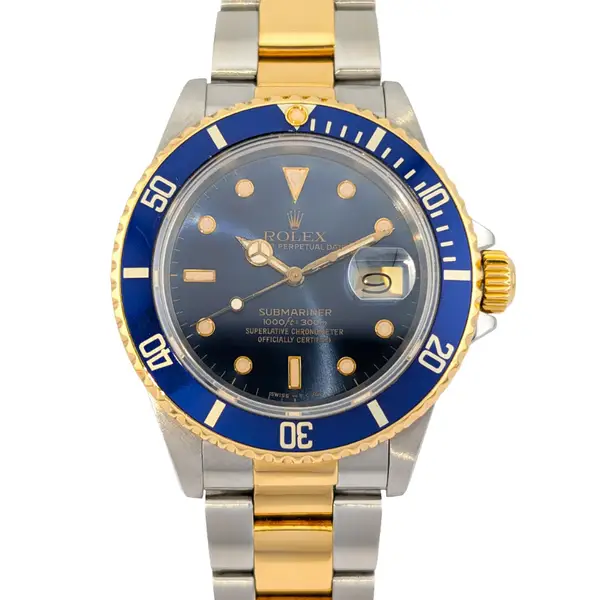
Launched in 1953, the Submariner was the world's first wristwatch waterproof to a depth of 100 metres, explicitly designed for divers and underwater exploration. Its robust Oystersteel case, unidirectional rotating bezel for measuring dive times, and highly legible luminous dial quickly made it a benchmark for dive watches. The Submariner is globally recognised as a symbol of adventure, durability, and functionality, transcending its tool-watch origins to become a versatile luxury item.
Datejust
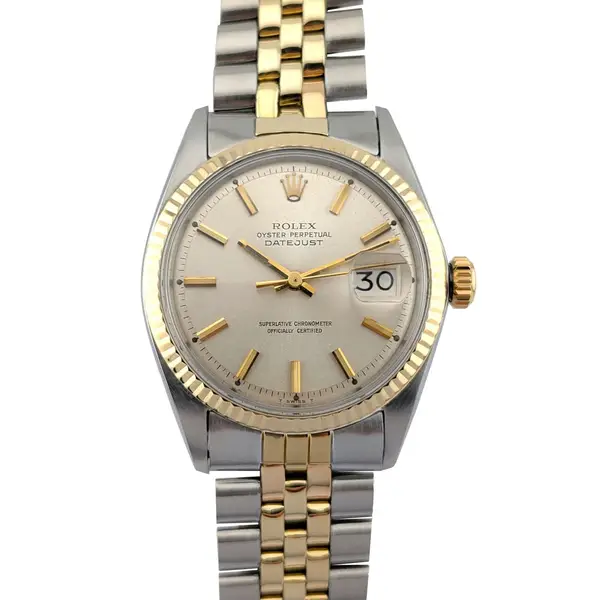
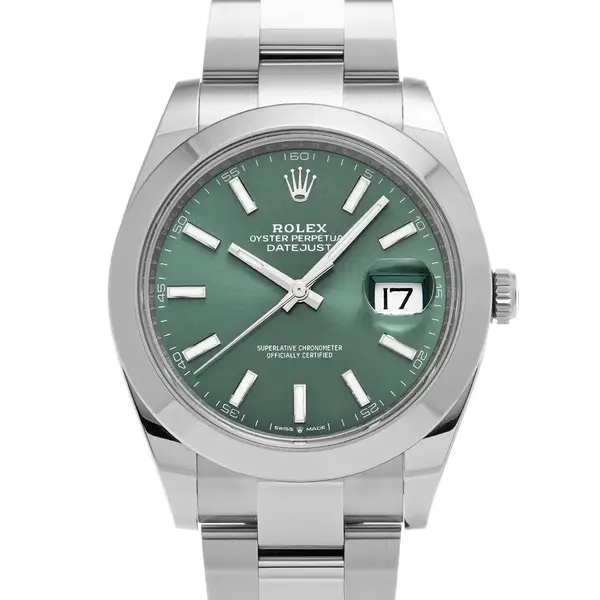
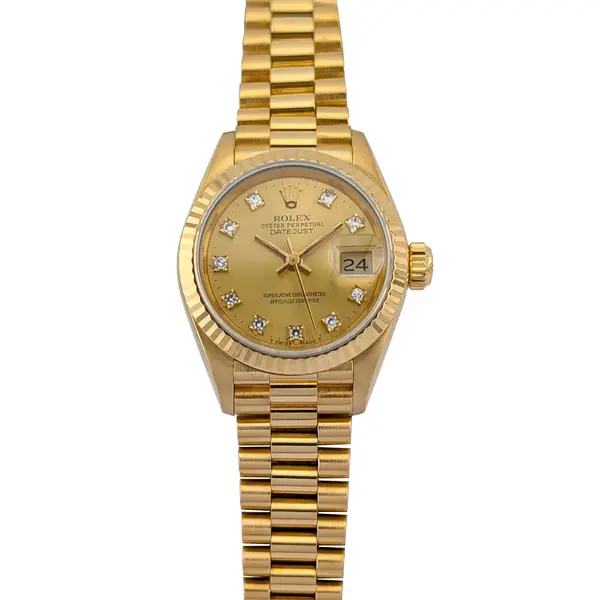
Introduced in 1945, the Datejust was a revolutionary timepiece, being the first self-winding wristwatch to feature an automatic date change mechanism. It quickly became a symbol of elegance and refinement, celebrated for its classic design and versatility. The Datejust's timeless aesthetics, often featuring a fluted bezel and Jubilee bracelet, have made it a popular choice for everyday luxury and a foundational piece in many collections.
Daytona
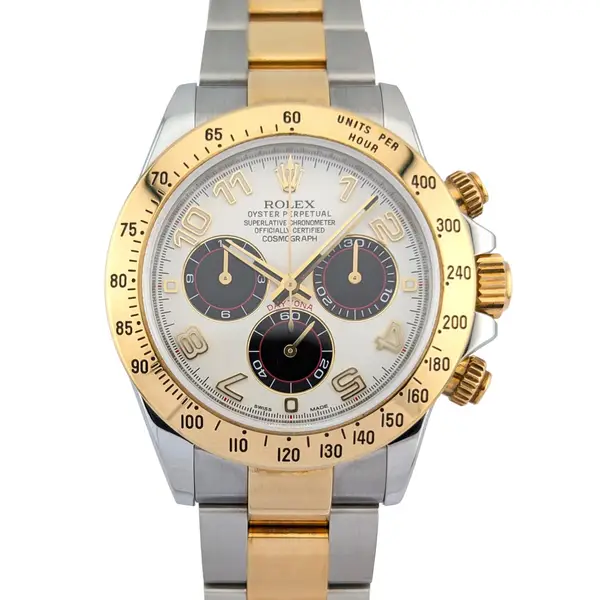
The Cosmograph Daytona, introduced in 1963, was purpose-built for professional racing drivers, named in homage to the legendary Daytona International Speedway. This chronograph features a precision stopwatch function and a tachymeter scale on its bezel, allowing drivers to measure average speeds. Initially a slow seller, the Daytona gained immense popularity, particularly after being famously worn by actor Paul Newman, with vintage "Paul Newman" dials now among the most coveted and valuable watches globally. It is highly sought after by motorsport enthusiasts and collectors for its intricate design and sporting heritage.
Current Market Positioning
Rolex occupies a unique and dominant position within the luxury watch market. It is not merely an entry-level luxury brand but a benchmark in haute horology, competing with esteemed peers such as Patek Philippe, Audemars Piguet, and Omega. Rolex is the undisputed leader in the secondary luxury watch market, accounting for a significant 34.2 per cent of global transaction volume as of late 2024. This strong demand often results in long waiting lists for new models at authorised dealers, driving many buyers to the secondary market where prices frequently command substantial premiums over retail.
For Australian collectors and buyers, typical retail prices for new Rolex models can range significantly. For instance, an Oyster Perpetual 36mm might start from approximately AUD 9,000 to AUD 12,000, while a Datejust 36mm could range from AUD 11,000 to AUD 18,000. More sought-after sports models like the Submariner Date often retail from around AUD 16,000 to AUD 20,000, and the highly desirable Daytona can command upwards of AUD 50,000, with market values often exceeding these figures due to demand. Rolex watches are widely considered status symbols and investment assets, retaining strong value due to their international recognition, robust demand, and the brand's unwavering commitment to quality and heritage.
Sources and references 24
- rauantiques.com
- bobswatches.com
- trophieswatches.com
- the1916company.com
- rolex.org
- beckertime.com
- rolex.com
- swisswatchexpo.com
- billstoneofficial.com
- sonerwatches.com
- rolex.mrkhoory.com
- bobswatches.com
- lhwatchtrade.com
- bobswatches.com
- sothebysrealty.ae
- storiesoftime.com
- christies.com
- intelligentcollector.com
- about.chrono24.com
- themarketingsage.com
- luxurywatchesusa.com
- youtube.com
- gamzoandco.com
- bqwatches.com
Just listed
- Rolex Datejust 36 16200 · 36mm
- Rolex Submariner Date 16610 · 40mm
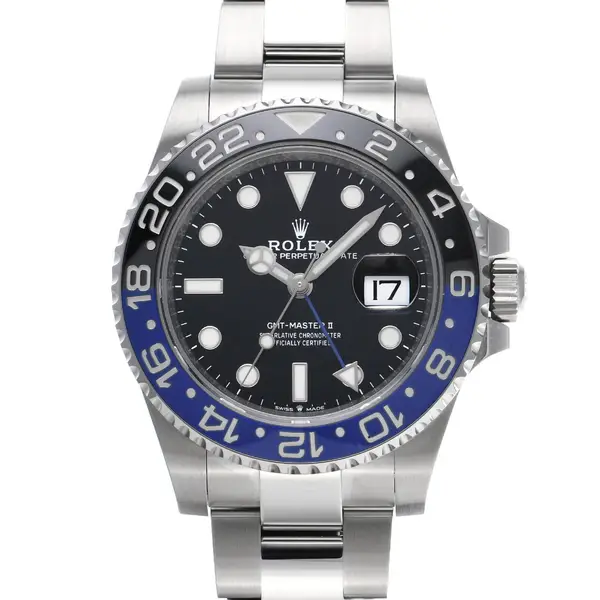
- Rolex Submariner Date 116618LB · 40mm
Hunting a specific Rolex reference? Ask us to find it
Questions?
We read every message.
About Watch Scout
We're not a dealer - you buy direct from the dealer. One search covers every Australian dealer we track.