The history of Patek Philippe
46 watches for sale · 18 dealers · $13,500 to $489,995 · typically $71,950
Explore the enduring legacy of Patek Philippe, from its foundational history and technical innovations to its iconic collections and esteemed market position.
Patek Philippe stands as a titan in haute horology, a name synonymous with unparalleled craftsmanship, technical innovation, and enduring prestige. For an Australian connoisseur, understanding this Genevan manufacture means appreciating a legacy built on meticulous artistry and a relentless pursuit of perfection.
Foundational History
The story of Patek Philippe began in Geneva, Switzerland, in 1839, when Polish émigré Antoni Patek partnered with Czech watchmaker François Czapek. A pivotal moment arrived in 1844 when Patek encountered French watchmaker Jean Adrien Philippe, inventor of the keyless winding and setting mechanism. This led to Philippe joining Patek, and the company was officially renamed Patek, Philippe & Cie in 1851. That same year, Queen Victoria's purchase of a Patek Philippe significantly elevated the brand's international reputation. Notably, Patek Philippe created the first Swiss wristwatch in 1868 for Countess Koscowicz of Hungary. The company's independence was further cemented in 1932 when it was acquired by the Stern family, who continue to own and operate the manufacture today, making it the last family-owned independent watchmaker in Geneva.
Horological Significance
Patek Philippe's horological significance stems from continuous technical breakthroughs and an unwavering commitment to traditional watchmaking. Jean Adrien Philippe's keyless winding system was foundational. The brand patented its perpetual calendar mechanism in 1889 and the double chronograph in 1902. Patek Philippe also pioneered the first wristwatch with a perpetual calendar in 1925. Later innovations include the Gyromax balance in 1949 and the ultra-thin automatic calibre 240 in 1977. Beyond individual patents, Patek Philippe is renowned for its mastery of 'grand complications' – watches combining multiple intricate functions such as minute repeaters, tourbillons, perpetual calendars, and celestial displays. The brand's internal 'Patek Philippe Seal' represents its exceptionally rigorous quality standards, ensuring structural integrity, material stability, functional accuracy, and lasting performance.
Three Defining Collections/Models
Among Patek Philippe's extensive repertoire, three collections particularly define its enduring appeal:
Calatrava
Introduced in 1932, the Calatrava is the quintessential dress watch, celebrated for its timeless elegance and minimalist aesthetic. Inspired by the Bauhaus principle, its pure lines and refined proportions set the standard for a classic round wristwatch. The original Reference 96 became the brand's first serially produced wristwatch, embodying understated sophistication highly sought after by collectors.
Nautilus
Launched in 1976 and designed by the legendary Gérald Genta, the Nautilus redefined the luxury sports watch. Its distinctive rounded octagonal bezel, inspired by a ship's porthole, and integrated bracelet elevated stainless steel to a material of high horology. The Nautilus successfully blended robust sportiness with refined elegance, creating an icon that continues to command immense desirability and strong secondary market values.
Grand Complications
This collection represents the absolute pinnacle of Patek Philippe's watchmaking expertise. These are timepieces combining three or more highly intricate complications, such as perpetual calendars, minute repeaters, and split-seconds chronographs. Each Grand Complication is a mechanical work of art, taking years to design and assemble, crafted by the most skilled watchmakers. Models like the Grandmaster Chime exemplify the brand's unparalleled technical mastery and are among the most complex and exclusive watches ever created.
Current Market Positioning
Patek Philippe firmly occupies the apex of 'haute horology', positioning itself far beyond entry-level luxury. It is consistently ranked among the "Holy Trinity" of Swiss watchmaking. In the Australian market, typical entry-level Patek Philippe models, such as a basic Calatrava, would generally start from approximately AUD $30,000 to $40,000 for pre-owned pieces. Popular steel sports models like the Aquanaut or Nautilus can command significantly higher prices, often well into six figures on the secondary market; for instance, a Nautilus 5711/1A, which retailed for around AUD $35,000, has seen market values exceed AUD $150,000. Highly complicated pieces can easily reach millions of Australian dollars. Compared to peers, Patek Philippe consistently demonstrates exceptional value retention and appreciation, often trading at substantial premiums above retail. Its limited production, rich heritage, and unwavering demand from discerning collectors solidify its status as a blue-chip asset and a cherished heirloom.
Sources and references 33
- phigora.com
- patek.com
- buyyourwatch.com.au
- en.wikipedia.org
- truefacet.com
- bobswatches.com
- pragnell.co.uk
- analogshift.com
- watchesbysjx.com
- the1916company.com
- bobswatches.com
- historyofluxury.com
- jewelsbylove.com
- patek.com
- sothebys.com
- luxurytimenyc.com
- aviandco.com
- luxurybazaar.com
- watchskins.sg
- thehourglass.com
- davidrosas.com
- sothebys.com
- patek.com
- patek.com
- watchmydiamonds.com
- sothebys.com
- luxurywatchesusa.com
- scalar.missouri.edu
- horlion.com
- bqwatches.com
- vertu.com
- christies.com
- aviandco.com
Patek Philippe for sale
Every Patek Philippe we track at Australia's independent dealers.
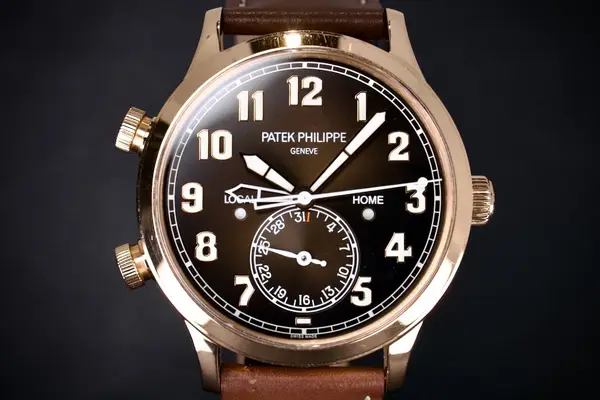 Patek Philippe Calatrava 8 for sale from $14,995
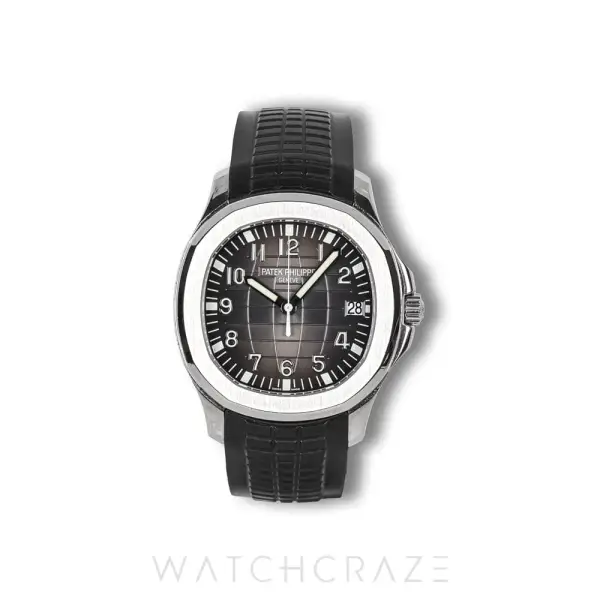 Patek Philippe Aquanaut 6 for sale from $99,800
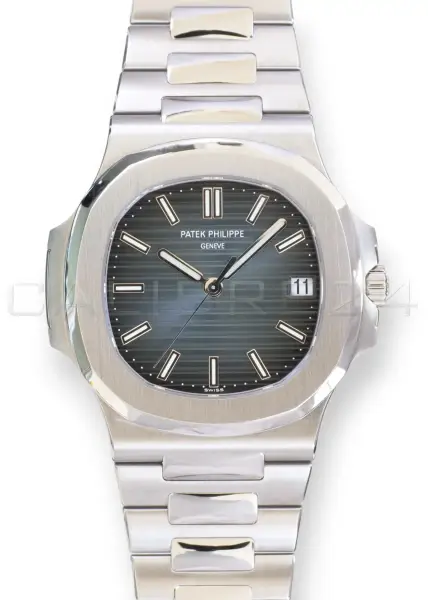 Patek Philippe Nautilus 3 for sale from $172,500
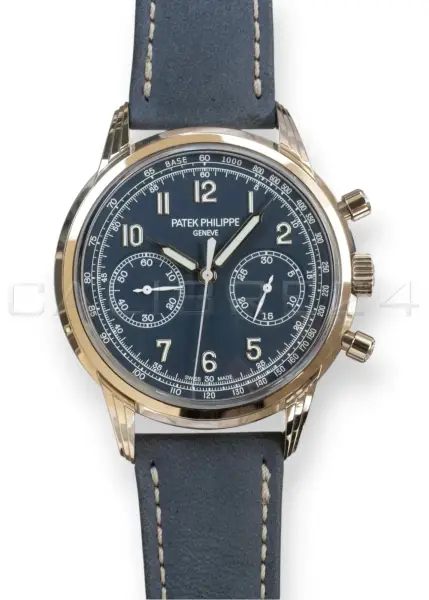 Patek Philippe Complications 3 for sale from $66,000
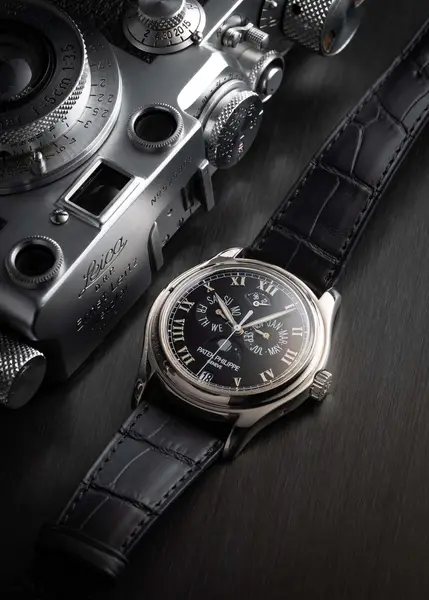 Patek Philippe Complications Annual Calendar Moonphase 2 for sale
 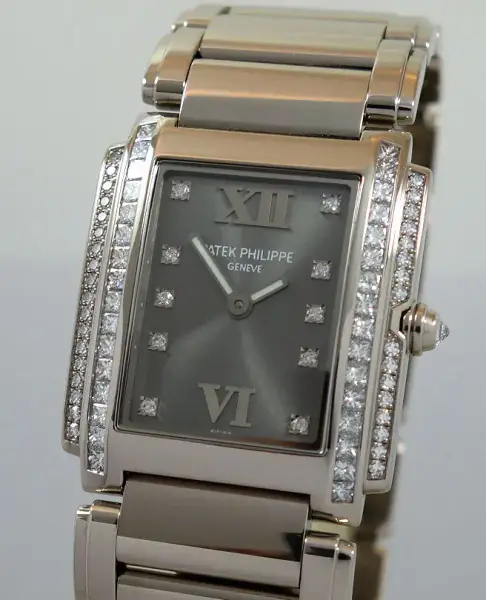 Patek Philippe Twenty~4 2 for sale from $13,500
Just listed
- Patek Philippe Nautilus Flyback Chronograph 5980/1A-001 · 40.5mm
- Patek Philippe Neptune 5085/1J · 37mm
- Patek Philippe Twenty~4 4910/20G-010 · 25.1mm
Hunting a specific Patek Philippe reference? Ask us to find it
Questions?
We read every message.
About Watch Scout
We're not a dealer - you buy direct from the dealer. One search covers every Australian dealer we track.