The history of Jaeger-LeCoultre
35 watches for sale · 16 dealers · $1,999 to $37,995 · typically $9,500
Explore the rich history, technical prowess, and iconic collections of Jaeger-LeCoultre, a revered Swiss luxury watchmaker.
Jaeger-LeCoultre, often celebrated as "the watchmaker's watchmaker", stands as a pillar of Swiss haute horlogerie. With a heritage spanning nearly two centuries, the brand is renowned for its profound technical expertise, innovative spirit, and exquisite craftsmanship, all meticulously cultivated within its integrated manufacture.
Foundational History
The story of Jaeger-LeCoultre began in 1833 when Antoine LeCoultre established a small workshop in Le Sentier, a remote village nestled deep within Switzerland's Vallée de Joux. Driven by an obsession for precision, LeCoultre's early innovations laid the groundwork for the brand's future. In 1844, he invented the Millionometer, the world's first instrument capable of measuring to the micron, revolutionising the accuracy of watch component manufacturing. This was followed in 1847 by the creation of a keyless winding and time-setting system. A pivotal moment arrived in 1903 when Antoine's grandson, Jacques-David LeCoultre, collaborated with Parisian watchmaker Edmond Jaeger, a partnership that officially birthed the Jaeger-LeCoultre brand in 1937. From its inception, the company distinguished itself by becoming the first true "Manufacture" in the Vallée de Joux, bringing every aspect of watchmaking — from design to production and assembly — under one roof.
Horological Significance
Jaeger-LeCoultre's reputation as "the watchmaker's watchmaker" stems from its extraordinary contributions to horology, including supplying movements to other prestigious brands such as Patek Philippe, Audemars Piguet, and Vacheron Constantin. The Manufacture boasts an impressive archive of over 1,200 different calibres and has registered approximately 400 patents.
Among its groundbreaking inventions is the Calibre 101, introduced in 1929, which remains the world's smallest mechanical movement, weighing less than a gram. Another marvel is the Atmos clock, unveiled in 1928, a timepiece that famously runs on minute changes in temperature and atmospheric pressure, requiring no winding. Since 1992, Jaeger-LeCoultre has also implemented its rigorous "1000 Hours Control" certification, a demanding testing protocol applied to the entire cased-up watch, ensuring exceptional reliability and precision.
Defining Collections and Models
Reverso
Launched in 1931, the Reverso is arguably Jaeger-LeCoultre's most iconic model. It was originally conceived to meet a specific need of British polo players in India, who required a watch that could withstand the rigours of the sport. Its ingenious reversible case allows the wearer to flip the dial over, protecting it from impacts. Beyond its functional origins, the Reverso's distinctive Art Deco design, with its clean lines and rectangular geometry, has made it a timeless symbol of elegance and a cherished canvas for artistic expression and complex complications.
Memovox
The Memovox, introduced in 1950, holds the distinction of being the world's first mechanical alarm wristwatch. Designed for practical utility, particularly for businessmen and travellers, it features a unique dual-crown system: one for setting the time and another for the alarm function, powered by a separate mainspring. This innovative complication, producing a distinctive "school bell" chime, cemented its place in horological history and continues to be highly sought after by collectors for its blend of functionality and charm.
Master Control
The Master Control collection, first introduced in 1992, embodies Jaeger-LeCoultre's commitment to classical design and technical excellence. Its name directly references the brand's pioneering "1000 Hours Control" certification, a stringent internal testing process that all watches in the collection undergo. This rigorous examination, which tests the fully assembled watch for accuracy, reliability, and durability, underscores the collection's reputation for uncompromising quality and precision, making it a benchmark for contemporary elegant timepieces.
Current Market Positioning
Jaeger-LeCoultre occupies a distinguished position within the high horology segment of the luxury watch market. While often compared to the "Holy Trinity" of watchmaking (Patek Philippe, Audemars Piguet, and Vacheron Constantin), JLC is generally considered more accessible, offering exceptional value for its level of craftsmanship and in-house manufacturing capabilities.
In the Australian market, entry-level Jaeger-LeCoultre watches typically start from approximately AUD $10,000 to $15,000, with more complicated pieces, particularly those from collections like the Hybris Mechanica, reaching into the hundreds of thousands. Factors such as import duties and taxes contribute to the premium pricing in Australia. While not always experiencing the same rapid speculative appreciation as some highly hyped brands, Jaeger-LeCoultre watches, especially iconic models like the Reverso and certain Master collections, generally hold their value well in the secondary market due to the brand's strong heritage and technical depth. They appeal to discerning collectors who prioritise horological substance and enduring design over fleeting trends, positioning them alongside peers like Omega, Cartier, and Breitling in the broader luxury landscape, while also competing at the highest echelons with the most exclusive manufactures.
Sources and references 30
- dumarko.com
- zealande.com
- swisswatchexpo.com
- jaeger-lecoultre.com
- en.wikipedia.org
- mostra-store.com
- jgwinbush.com
- youtube.com
- watchexchange.sg
- wkodakjewelers.com
- prestigetime.com
- quillandpad.com
- windvintage.com
- revolutionwatch.com
- monochrome-watches.com
- hashtaglegend.com
- forbes.com
- jaeger-lecoultre.com
- jaeger-lecoultre.com
- thehourmarkers.com
- revolutionwatch.com
- theluxuryhut.com
- europeanwatch.com
- youtube.com
- the1916company.com
- strictlyvintagewatches.com
- jaeger-lecoultre.com
- watchcraze.com.au
- chrono24.com
- precisionwatches.com
Jaeger-LeCoultre for sale
Every Jaeger-LeCoultre we track at Australia's independent dealers.
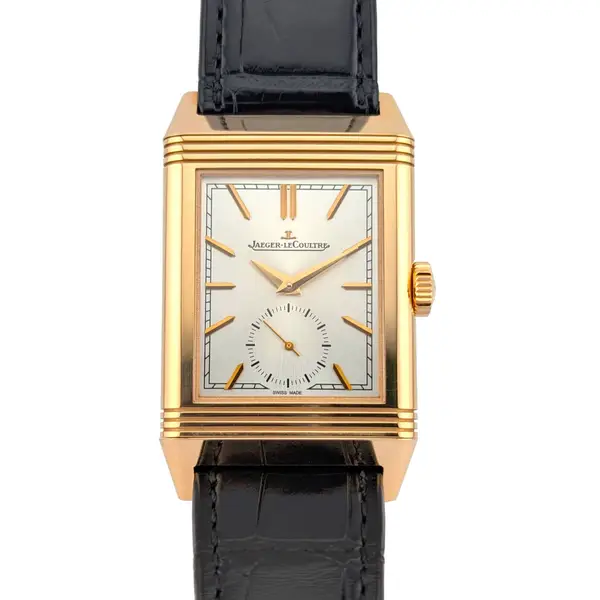 Jaeger-LeCoultre Reverso 5 for sale from $9,650
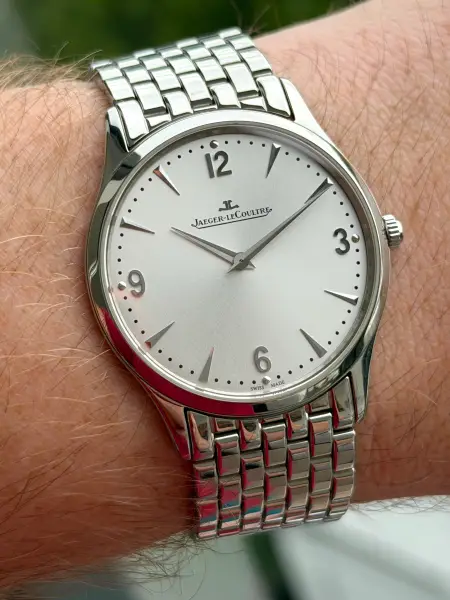 Jaeger-LeCoultre Master Ultra Thin 3 for sale from $5,500
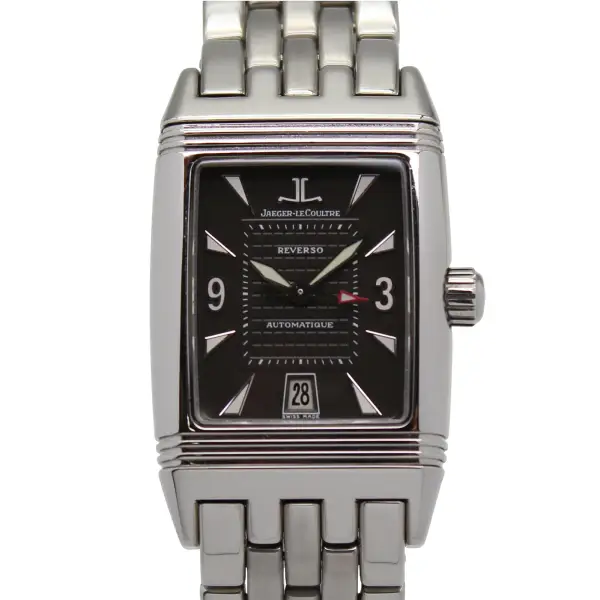 Jaeger-LeCoultre Reverso Gran Sport 2 for sale
 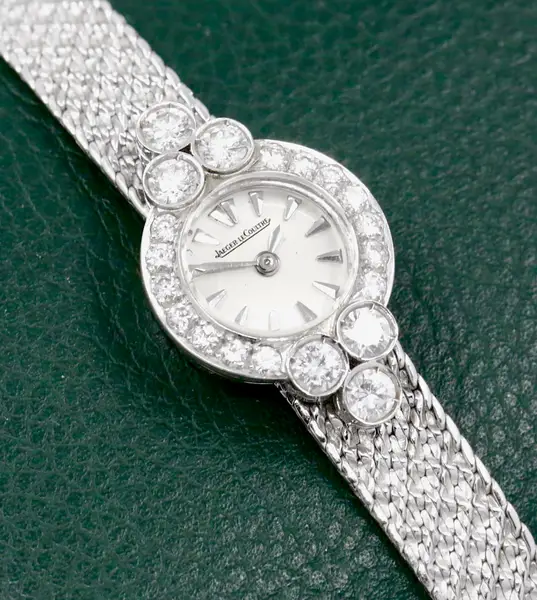 Jaeger-LeCoultre Ladies Cocktail Watch 1 for sale
 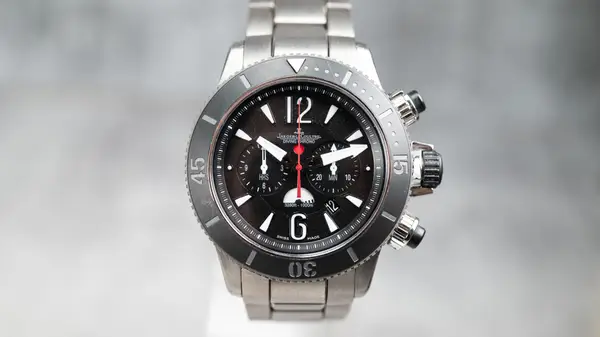 Jaeger-LeCoultre Master Compressor Diving Navy SEALs 1 for sale
 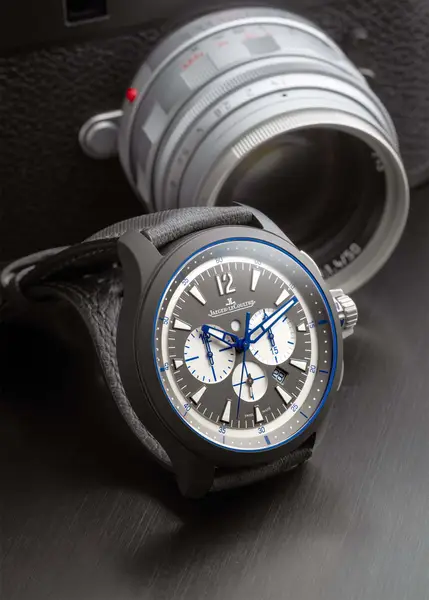 Jaeger-LeCoultre Master Compressor 1 for sale
Just listed
- Jaeger-LeCoultre Reverso Ultra Thin Q2788520 · 27mm
- Jaeger-LeCoultre Master Ultra Thin Q1348120 · 38mm
- Jaeger-LeCoultre Master Control Chronometre Date Power Reserve Q4168120 · 39mm
Hunting a specific Jaeger-LeCoultre reference? Ask us to find it
Questions?
We read every message.
About Watch Scout
We're not a dealer - you buy direct from the dealer. One search covers every Australian dealer we track.